Introduction
When it concerns selecting the ideal fencing material for your home or business property, resilience and weather condition resistance are paramount concerns. A fence not only works as a border but likewise plays an essential role in enhancing the visual appeal of your outdoor area. Among the leading alternatives offered in today's market is the Colorbond fence This article will delve into how weather-resistant a Colorbond fence is while exploring its resilience in extreme conditions.
Throughout this article, you'll discover everything from the structure and benefits of Colorbond fencing to installation suggestions and maintenance practices. So, if you're contemplating whether to invest in a Colorbond fence, stay tuned!
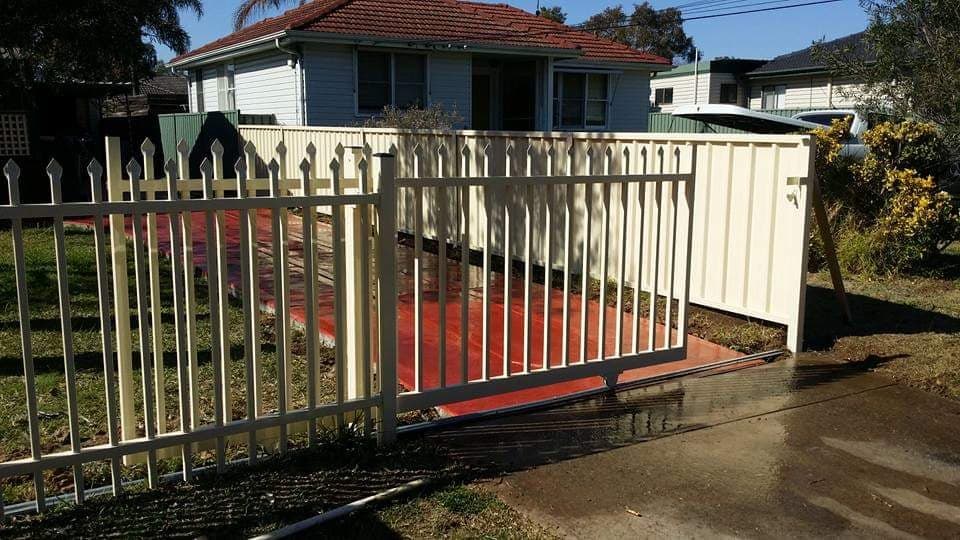
What is a Colorbond Fence?
Understanding Colorbond Fencing Material
Colorbond fencing is made from premium steel covered with an unique paint surface, offering an appealing appearance together with extraordinary strength. The distinct finishing system ensures that the steel remains protected versus rust and rust. This makes it an excellent option for various weather conditions.
How Does Colorbond Compare with Standard Fencing?
Traditional wood fences can warp, rot, or be prone to termites over time. In contrast, a Colorbond fence offers a selection of benefits that make it more reliable in adverse weather:

- Longevity: With correct care, Colorbond fences can last for decades. Minimal Maintenance: Unlike wood, which needs routine staining or painting, Colorbond fences are low-maintenance. Variety of Colors: Available in a number of colors, they can easily match any architectural style.
How Weather-Resistant is a Colorbond Fence? Exploring Its Toughness in Harsh Conditions
Weather Resistance Explained
So, how does a Colorbond fence hold up against varying weather conditions? The answer lies mostly in its robust material structure and innovative design features.
Wind Resistance: Designed specifically for Australian conditions, lots of Colorbond fences can endure winds of up to 130 kilometers per hour (81 mph). Corrosion Resistance: The zinc-aluminum finishing safeguards the steel from rusting even when exposed to moisture. UV Protection: The color coat resists fading due to UV direct exposure, ensuring your fence looks dynamic year after year.Testing Toughness Versus Harsh Conditions
In various screening environments across Australia-- ranging from seaside areas where salt exposure prevails to arid regions experiencing severe temperature levels-- Colorbond fences have consistently shown exemplary performance.
- Heat Resistance: They can handle extreme sunlight without deforming or cracking. Cold Resistance: Even during cold winter seasons, their stability remains intact. Moisture Tolerance: Rain or humidity doesn't cause deterioration like traditional wood.
Benefits of Installing a Colorbond Fence
Aesthetic Appeal and Variety
One of the most engaging reasons house owners pick Colorbond fencing is its visual flexibility. With over 20 colors readily available:
|Color Options|Description|| -----------------|---------------------------|| Classic Cream|A neutral tone that blends well|| Deep Ocean|A rich blue shade|| Mangrove|A dark green shade|
These colors enable property owners to personalize their spaces while making sure longevity and durability.
Cost-Effectiveness Over Time
While the upfront expense may be higher than that of traditional wood fences, consider this-- less upkeep and longer lifespan imply lower total expenses in the long run.
Colorbond Fence Setup Process
Steps for Effective Installation
Installing a Colorbond fence needs mindful preparation and execution. Here's how:
Planning:- Measure your area accurately. Check local council regulations concerning border fencing.
- Purchase all necessary products including panels, posts, caps, and screws.
- Clear any debris or plants along the installation line. Ensure that the ground is level.
- Dig holes for vertical posts. Use concrete mix to protect them firmly.
- Begin at one end and work your method down. Ensure panels are level before securing them with screws.
- Add caps on top of posts for visual appeal. Inspect joints to guarantee they are tight and secure.
DIY vs Professional Installation
While experienced DIY lovers might tackle this job individually, working with specialists makes sure accuracy and adherence to regional building codes-- conserving you time and possible headaches later on!
Maintenance Tips for Your Colorbond Fence
Routine Cleaning up Practices
Even though among the advantages of a Colorbond fence is very little upkeep compared to wood options, routine cleaning helps preserve its appearance:
Use warm soapy water with a soft fabric or sponge. Rinse thoroughly with clean water afterward. For harder discolorations like bird droppings or rust areas on older setups, consider utilizing vinegar services or specialized cleaners created for metal surfaces.Periodic Inspections
Inspect your fence regularly for any signs of damage such as scratches or dents brought on by severe storms or impacts:
- Touch up any exposed areas with matching paint if needed. Address minor issues without delay before they intensify into larger problems needing costly repairs.
FAQs About Weather condition Resistance of Colorbond Fences
1. Are Colorbond fences appropriate for coastal areas?
Absolutely! One of their standout functions is corrosion resistance due to their protective covering-- making them best for homes near beaches where salt spray can be detrimental.
2. Do I require special tools for installation?
While standard tools like drills and screwdrivers will be sufficient, having access to leveling devices ensures your panels are set up directly-- an essential aspect for both looks and function!
3. How do I know my fence color will last?
The color coat used on these fences has actually been tested thoroughly versus UV rays; they're designed not just to resist fading but likewise preserve vibrancy in time under different weather condition conditions.
4. Can I paint my existing wood fence with color bond paint?
Painting a wood fence with color bond paint isn't a good idea because it will not provide long-lasting resilience as seen with devoted metal surface areas lasting years without peeling or cracking off.
5. What happens if my fence gets damaged?
Most damage can normally be repaired without requiring total replacement; simply replace afflicted panels instead!
6. How do I ensure my brand-new Colorbond fence remains pristine?
Routine maintenance-- including https://andyxhdv417.lucialpiazzale.com/from-vision-to-reality-working-with-a-competent-colorbond-fence-home-builder regular cleaning & & inspections-- is essential! By dealing with problems early-on rather than letting them collect with time implies increased longevity & & satisfaction overall!
Conclusion
In summary, when analyzing durability amidst harsh ecological elements-- whether they're high winds along coastal lines or scorching sunbursting through summer season days-- it's clear that purchasing a Colorbond fence will serve property owners extremely well over time! Their strength combined with elegant options makes them an excellent option worth thinking about throughout your next home enhancement project!
If you're still not sure about which fencing alternative fits you finest after diving into this guide on "How Weather-Resistant is a Colorbond Fence? Exploring Its Resilience in Extreme Conditions," reach out today! Your dream home waits for just beyond those gates-- and we're here every step along that journey towards creating something gorgeous together!