Introduction
The importance of a robust and durable fence can not be overemphasized. This is particularly true when it concerns Colorbond fences-- a popular choice amongst property owners in Australia due to their strength, visual appeal, and low upkeep needs. Nevertheless, one crucial element frequently neglected is how environment impacts the efficiency of your Colorbond steel fence As the seasons change, so do the challenges your fence may deal with. In this post, we will explore numerous climatic aspects that affect your Colorbond fence's longevity and efficiency while providing insights for setup and maintenance.
Understanding Colorbond Fences
What Are Colorbond Fences?
Colorbond fences are made from high-quality steel coated with a baked-on paint finish that offers both toughness and aesthetic appeals. They can be found in a variety of colors, allowing you to personalize your outside area easily.
Benefits of Installing a Colorbond Fence
- Durability: Designed to withstand harsh conditions. Low Upkeep: Needs minimal upkeep compared to timber. Variety: Offered in various colors and styles. Security: Supplies a sturdy barrier versus intruders.
Why Select a Colorbond Fence Installer?
Hiring an expert Colorbond fence installer ensures that your installation fulfills all local regulations and requirements. Plus, they have the experience to deal with any challenges during installation.
The Impact of Environment on the Efficiency of Your Colorbond Fence
The efficiency of your Colorbond fence is considerably affected by environmental conditions. Whether it's scorching heat, heavy rainfall, or strong winds, these elements can affect both the appearance and functionality of your fence.
How Does High Temperature Affect Your Fence?
High temperatures can result in thermal expansion in products. Although Colorbond steel is developed to deal with temperature modifications, severe heat can trigger it to warp or bend if not set up correctly.
Tips for Handling Heat Impacts:
Ensure appropriate ventilation throughout installation. Opt for lighter colors that reflect sunlight better. Regularly check for signs of warping.The Function of Humidity in Fence Longevity
Humidity introduces moisture into the environment, which can result in rusting if water accumulates on unprotected surface areas. While Colorbond fencing is developed to withstand deterioration, it's vital to preserve proper drainage around your fence line.
Preventive Measures Against Humidity:
Keep plants trimmed from the fence. Regularly check for pooling water at the base. Apply protective coatings as needed.Wind: A Concealed Threat
Strong winds posture another threat to your Colorbond fence's integrity. Gradually, constant direct exposure can trigger physical damage or even structural failure if not anchored appropriately during installation.
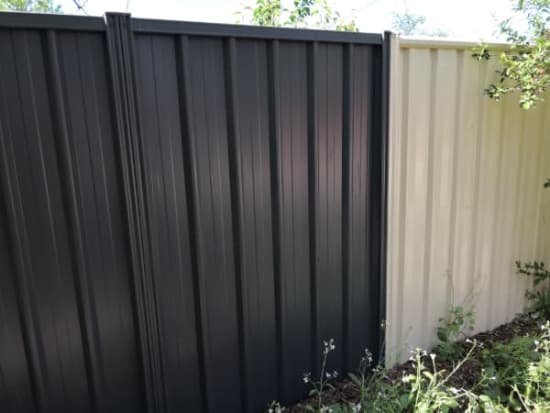
How to Fortify Versus Wind Damage:
- Use suitable products for securing posts. Consider extra bracing in windy areas. Regularly check stability after storms.
Installation Aspects Influenced by Climate
Choosing the Correct time for Installation
When preparation your Colorbond fence installation, timing is crucial. Dry weather is perfect as it permits proper treating of concrete footings.
Seasonal Factors to consider:
- Summer: Heats might result in quicker drying times but increased threat of warping. Winter: Cold temperature levels might slow down treating but provide steady conditions for installation.
Selecting Your Color Carefully
The color you select can impact how well your fence carries out under various weather conditions. Darker colors take in more heat while lighter ones show sunshine better.
Popular Colors and Their Impacts:
|Color|Heat Absorption|Maintenance Needs|| --------------|-----------------|-------------------|| Deep Blue|High|Moderate|| Light Grey|Low|Low|| Timeless Green|Moderate|Moderate|
Maintenance Tips Based upon Climatic Conditions
Routine Inspections
Regular evaluations are crucial in guaranteeing long-term efficiency under differing climate conditions. Watch out for rust spots or paint chipping as early indications of wear.
When Ought to You Inspect?
After extreme weather condition events At least twice a year Before seasonal changes (summer/winter)Cleaning Your Fence
Keeping your Colorbond steel fence tidy helps prevent accumulation that might cause deterioration over time-- specifically crucial in seaside locations where salt air postures an additional threat.
Cleaning Actions:
https://spencerfence-contractorcldy030.huicopper.com/how-to-prevent-common-errors-when-setting-up-a-colorbond-fence Rinse with fresh water regularly. Use moderate detergents; avoid abrasive cleaners. Inspect for any damages post-cleaning session.Expert Insights from Leading Colorbond Fence Companies
Testimonials from Professionals
A popular Colorbond fence company shared insights into how environment effects their projects: "We have actually seen substantial differences in how our fences hold up depending on geographical location and seasonal shifts."
Hiring Professional Help
For those unsure about do it yourself installations or upkeep jobs, hiring skilled professionals like a trustworthy Colorbond fence contractor can save you time and stress while guaranteeing quality work that stands versus climatic challenges.
Pros & Cons: Environment Effects on Colorbond Fencing
|Pros|Cons|| --------------------------------------|-------------------------------------|| Low upkeep|Prospective rust if not preserved|| Durable against a lot of weather condition|Vulnerable during extreme storms|| Resistant to insects|Can warp under excessive heat|| Variety of styles available|May fade over extended direct exposure|
Frequently Asked Concerns (FAQs)
Q1: How does climate affect my decision on choosing a color?
A1: Darker colors soak up more heat; therefore they may be less appropriate for exceptionally hot climates compared to lighter shades which reflect light better.
Q2: Can I install a Colorbond fence myself?
A2: While do it yourself setups are possible, working with an expert guarantees compliance with local policies and boosts resilience versus climate effects.
Q3: What kind of upkeep need to I perform based upon my climate?
A3: In damp locations, concentrate on avoiding rust; in windy areas, make sure all panels are secure; while arid environments need looking for contorting due to heat exposure.
Q4: How often need to I clean my Colorbond fence?
A4: Usually two times a year; however, cleansing after significant storms or considerable particles accumulation is recommended too!
Q5: What indications indicate my fence requires immediate attention?
A5: Watch out for rust patches, paint chipping away, or structural shifts showing instability due to wind or moisture damage.
Q6: Can I repaint my Colorbond steel fence?
A6: Yes! Ensure you use specialized paints recommended by manufacturers suited particularly for metal surfaces like these fences!
Conclusion
In conclusion, comprehending The Effect of Climate on the Efficiency of Your Colorbond Fence is imperative when investing in this type of fencing service. By thinking about elements such as temperature level fluctuations, humidity levels, wind force, and appropriate setup techniques-- property owners can considerably improve their fencing's longevity while enjoying its appeal year-round! Investing time into research about regional environments before making decisions will pay off considerably over time!
If you're ready to start into setting up a new Colorbond steel fence, bear in mind that working with an experienced Colorbond fence builder or contractor will eventually yield outcomes you'll take pride in! So go ahead-- secure your property stylishly without compromising durability versus nature's whims!